Depression Therapy for Women in Wilmington, NC - When "Fine" Stopped Being True
Licensed therapists supporting women across the Cape Fear coast through depression - postpartum, high-functioning, burnout-related, and the kind that arrives with a life transition. No judgment, no minimizing. In-person and telehealth available.
Request an Appointment
Free 15-min consultation - no commitment needed.
Depression in Women Often Hides Behind Functioning
A lot of depressed women are still getting everything done. The work gets finished, the kids get fed, the group chat gets answered - and underneath it there's flatness, exhaustion that sleep doesn't touch, irritability that surprises you, and a quiet sense of going through motions.
Depression therapy at Fresh Breath Therapy is practical and non-judgmental. We work on the thought patterns and the behaviour patterns that keep depression running, the relationships and load that feed it, and - where it applies - the hormonal and postpartum context that's part of the picture.
You don't need to have hit a wall to come in, and you won't be told to be grateful or to try harder. Depression is treatable, and it responds better the earlier it's addressed.
Book a Free Consultation →
Depression We Treat in Wilmington
You don't need a diagnosis or a crisis to benefit. If "fine" stopped being true a while ago, that's reason enough.
Persistent Low Mood
Flatness, lost interest in things you used to enjoy, and a heaviness that has quietly become your normal.
Postpartum Depression
Hopelessness, rage, intrusive thoughts, or numbness after birth. Common, treatable, and no reflection of your love for your baby.
Perinatal & Pregnancy Depression
Depression during pregnancy, after loss, or through fertility treatment - often unacknowledged and entirely real.
High-Functioning Depression
Still delivering at work and at home while running empty inside, and nobody around you has noticed.
Burnout-Related Depression
When months of depletion tip into something heavier than tiredness, and rest alone stops fixing it.
Depression & Anxiety Together
The very common combination of low mood plus a mind that won't stop - treated together rather than one at a time.
Relationship-Linked Depression
Low mood tied to a relationship that's draining, critical, or lonely - including recognizing what's actually happening.
Grief-Related Depression
When grief has stopped moving and settled into something that's taken over daily functioning.
Drinking as Coping
The wine that became a habit and then a problem - supported by a licensed addiction specialist on our Wilmington team.
Evidence-Based Depression Treatment
Depression responds well to structured therapy. Your therapist draws on several proven approaches and adapts to your history, your load, and the capacity you honestly have.
Cognitive Behavioral Therapy
Identify and test the thought patterns depression installs - "I'm failing," "nothing will change" - and rebuild them against actual evidence.
Behavioral Activation
One of the most effective depression treatments there is: rebuilding activity and small sources of reward first, so motivation follows action instead of waiting for it.
Interpersonal Focus
Depression usually lives in relationships - conflict, isolation, an unfair load. Working on those directly often shifts mood faster than anything else.
Compassion-Focused Work
Build a kinder internal voice. Self-criticism keeps depression fuelled, and it responds to practice rather than willpower.
Acceptance & Commitment Therapy
Reconnect with what matters to you and move toward it in small steps, even while the low mood is still present.
Trauma-Informed Care
Where depression traces back to abuse, assault, or a difficult birth, that's addressed gently and at a pace you set.
Your First Session: What to Expect
Why Women in Wilmington Choose Fresh Breath Therapy
All Women Clinicians in Wilmington
Our five Wilmington clinicians are all women, and you can share any preferences on specialty and approach when you book.
No Minimizing
Nobody here will tell you it's hormones, a phase, or something to be grateful about. What's hard gets treated as hard.
Recovery Support Available
Cay Fulop, LCSW, LCAS is a licensed addiction specialist - so drinking that's become part of the coping can be addressed alongside the depression.
Trauma-Informed Where Needed
Lisa McCormick, LCMHC works with trauma alongside anxiety and depression, so history is handled carefully rather than avoided.
Insurance & Self-Pay
We accept major insurance plans including BCBS, Aetna, Cigna, and United Health. Call us to verify your specific benefits before your first appointment.
Telehealth Statewide
Postpartum months, shift work, or a week where leaving the house is too much - telehealth keeps therapy going.
Serving Wilmington, Leland, Hampstead & the Cape Fear Coast
Our Wilmington therapy office is located at 140 Cinema Drive, Unit E - easily accessible from across Wilmington and nearby communities including Leland, Hampstead, Carolina Beach, and Brunswick and Pender Counties. Telehealth available statewide.
In Wilmington you'll work with Lisa McCormick, LCMHC, whose work covers worry, fear, trauma, and life challenges using CBT and mindfulness; Shelby Paske, LCMHCA, supporting anxiety, depression, and neurodiversity; Kailyn Mattingly, LCSWA, focused on anxiety, depression, and personal growth; Catherine (Cay) Fulop, LCSW, LCAS; and Jenna McGinnis, LCSWA, a trauma-informed therapist working with teens and young adults on depression, anxiety, self-esteem, and burnout.
Each therapist is licensed, supervised, and committed to the highest standards of ethical, compassionate care. Sessions are available Monday through Friday, 8 AM to 7 PM.
Book Your Appointment →Meet the Wilmington Team
Our five licensed clinicians in Wilmington bring clinical expertise, warmth, and no judgment about what you bring in.
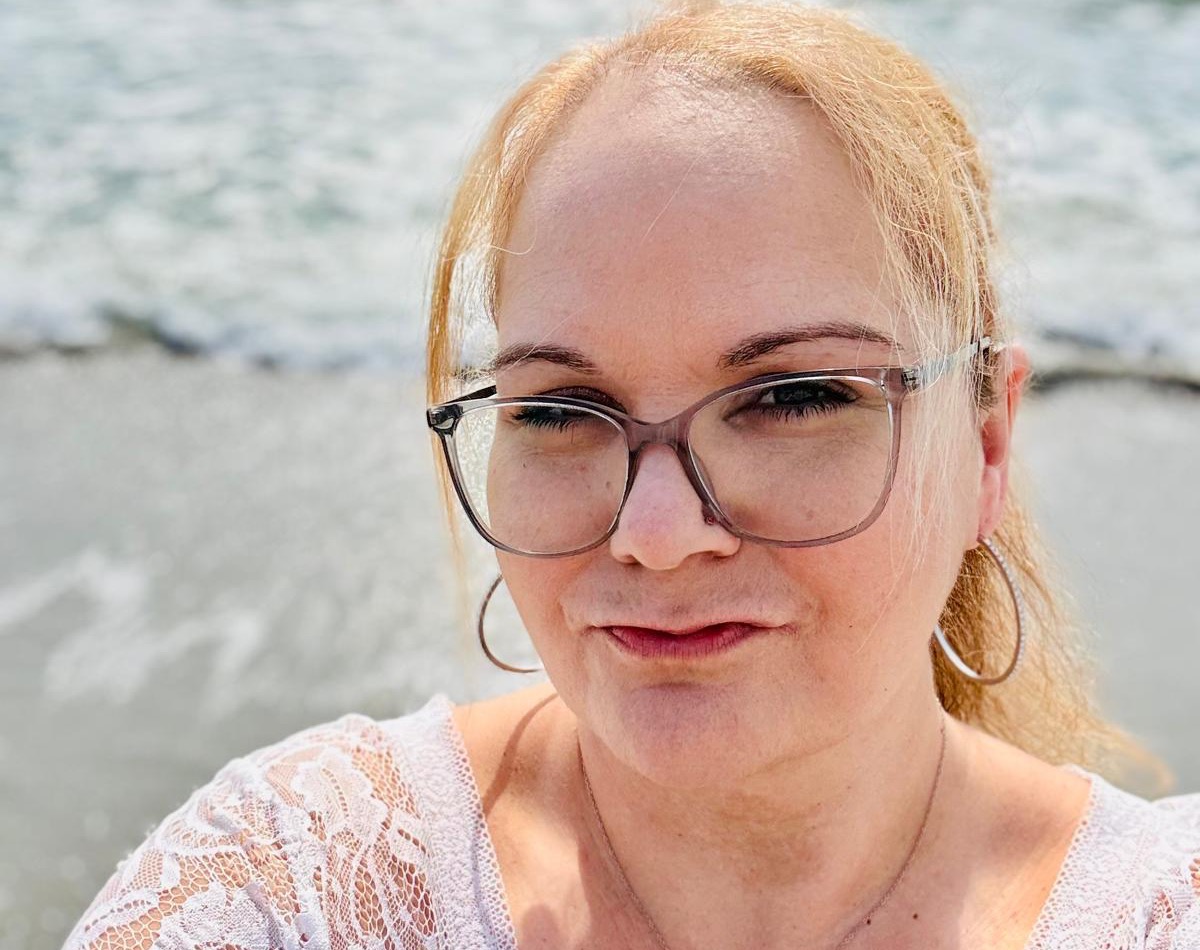
Lisa McCormick
Client-centered counselor helping teens and adults navigate worry, fear, trauma, and life challenges with CBT, mindfulness, and coping strategies.

Shelby Paske
Compassionate counselor creating a supportive space for adults navigating anxiety, depression, neurodiversity, life transitions, and interpersonal challenges.
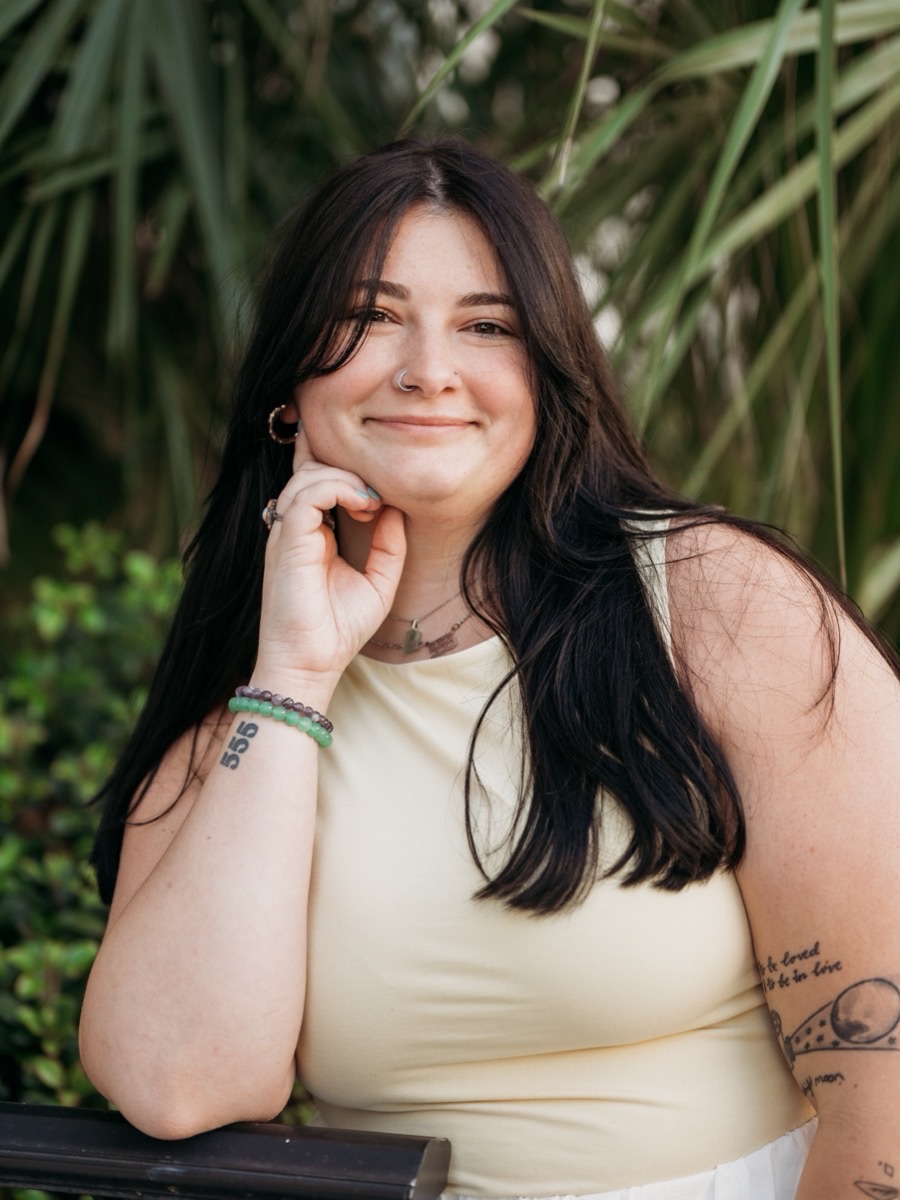
Jenna McGinnis
Trauma-informed therapist supporting teens and young adults through depression, anxiety, self-esteem concerns, stress, and burnout.
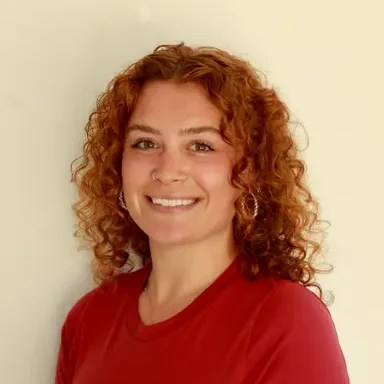
Kailyn Mattingly
Compassionate therapist creating warm, welcoming environments for anxiety, depression, and personal growth.

Catherine (Cay) Fulop
Experienced addiction specialist providing comprehensive support for substance use, co-occurring disorders, trauma, and recovery.
Serving These Needs Across Wilmington & the Cape Fear Region
Frequently Asked Questions
I think I have postpartum depression. Can you help?+
Yes. Postpartum depression and anxiety are common and very treatable, and having them says nothing about your love for your baby. If medication might also help we'll coordinate with your OB or a prescriber - we don't prescribe here. If you're having thoughts of harming yourself or your baby, call or text 988 or go to your nearest emergency department right away.
I'm still functioning - is it really depression?+
It can be. High-functioning depression is common in women who've had to keep everything running: the output stays, the internal experience empties out. Functioning isn't the test - whether you feel like yourself is.
Will I have to go on medication?+
That's your decision, and therapy alone is an effective treatment for mild to moderate depression. We're a therapy practice and don't prescribe, but if medication is worth considering your therapist will say so and coordinate with your GP or OB.
Can I request a woman therapist?+
Yes - and at our Wilmington office all five clinicians are women. Tell us any other preferences on specialty and approach when you call and we'll match accordingly.
How long does depression therapy take?+
Many clients feel meaningfully better within 12 to 16 sessions, with early shifts - sleeping better, one activity restarted - often inside the first month. Long-standing or trauma-linked depression takes longer. Your therapist will give you an honest read after assessment.
Do you serve Leland, Brunswick County, and Hampstead?+
Yes. Our Wilmington office on Cinema Drive serves clients from throughout the Cape Fear region, including Leland, Brunswick County, Hampstead, Carolina Beach, and Pender County. Telehealth is also available anywhere in North Carolina.
You Don't Have to Keep Performing Fine
Depression is treatable, and it responds better the earlier you address it. Start with a free 15-minute consultation - no commitment, no judgment.