Grief Counseling in Fayetteville, NC - You Don't Have to Carry This Alone
Licensed, compassionate grief counselors supporting service members, veterans, Gold Star families, and civilians across Cumberland County - through combat loss, survivor guilt, suicide loss, and every other kind of bereavement. Tricare accepted.
Request an Appointment
Free 15-min consultation - no commitment needed.
Grief Isn't a Problem to Be Fixed on a Timeline
In a community built around service, grief takes on dimensions civilians rarely encounter: the weight of losing someone you served with, the guilt of surviving when others didn't, the particular devastation of losing a fellow service member to suicide, and the grief Gold Star families carry for the rest of their lives.
Grief counseling at Fresh Breath Therapy offers both things loss requires: the unhurried, compassionate presence that grief needs, and evidence-based clinical support for the moments when grief needs more than time - when it's tangled with trauma, guilt, or an ambiguity that has no closure.
Our practice is private and fully confidential - separate from the military medical system and the chain of command. We will never push you toward "moving on," and healing here doesn't mean forgetting. Tricare and major insurance accepted.
Reach Out When You're Ready →
Losses We Support in Fayetteville
All forms of loss deserve support - including the ones people around you don't recognize as losses at all.
Loss of a Fellow Service Member
Grief for someone you served alongside - often without the language, rituals, or space that civilian bereavement gets.
Survivor Guilt
The weight of having come home when others didn't. We work on the guilt directly, without minimizing what happened or offering easy reassurance.
Suicide Loss in the Military Community
Grief carrying anger, unanswerable questions, and stigma. This loss deserves support that names it plainly rather than tiptoeing around it.
Gold Star Families
Support for spouses, parents, children, and siblings carrying a loss that shapes the rest of their lives - and often becomes an identity as much as a grief.
Death of a Spouse, Parent, or Sibling
The losses that reorganize your whole life - identity, routine, household, and the future you'd assumed. Support for as long as you need it.
Sudden & Traumatic Death
Accidents, violence, and unexpected deaths that leave trauma alongside grief - we address both, at whatever pace feels safe for you.
Pregnancy Loss & Infant Loss
Losses the world often minimizes and expects you to move past quickly - including losses that happened during a deployment or a PCS move.
Prolonged & Complicated Grief
When grief intensifies instead of softening, takes over daily functioning, or stays acute long past what feels bearable.
Disenfranchised Grief
Pet loss, estrangement, loss through addiction, or the end of a military career and community - grief others minimize but that is entirely real.
Compassionate, Evidence-Based Grief Support
Grief work is mostly presence and pacing. Where clinical structure genuinely helps, we bring these approaches in - never to speed you up.
Compassion-Focused Grief Work
Grief often arrives tangled with guilt and self-blame. This work builds a kinder internal voice so mourning doesn't have to be carried alongside self-punishment.
Meaning-Making & Continuing Bonds
Healing doesn't mean letting go. We help you find a way to carry the relationship forward - in memory, ritual, and identity - rather than leaving it behind.
Grief-Focused CBT
For the thoughts that keep grief stuck - "I should have known," "I could have stopped it" - and the avoidance that quietly narrows your life around the loss.
Acceptance & Commitment Therapy
Make room for the grief instead of fighting it, and slowly reconnect with what still matters to you - without pretending the loss didn't happen.
Support for Prolonged Grief
When grief intensifies rather than softens over time, structured therapeutic support helps loosen what's stuck - while still honouring what you lost.
Trauma-Informed Loss Care
Sudden, violent, or traumatic deaths leave both grief and trauma. We address the traumatic imprint alongside the mourning, at whatever pace feels safe.
Your First Session: What to Expect
Why Fayetteville Trusts Us With Grief Support
No Timeline Imposed
We won't tell you where you should be by now. Grief work here moves at the pace your particular loss requires.
Confidential, Civilian Setting
Our private practice is fully confidential, separate from the military medical system and your chain of command, and HIPAA-protected.
Space Plus Clinical Depth
Compassionate presence when that's what's needed, and structured clinical support when guilt, trauma, or stuck grief is making this heavier.
Tricare & Insurance Accepted
We accept Tricare along with major plans including BCBS, Aetna, Cigna, and United Health. Call us to verify your specific benefits first.
No Long Waitlists
Fresh loss shouldn't wait six weeks for an opening. We work hard to offer rapid access - often same-week.
Telehealth Statewide
On the hard days, leaving the house is a lot to ask. Sessions are available from home anywhere in North Carolina.
Serving Fayetteville, Fort Liberty, Hope Mills & Spring Lake
Our Fayetteville therapy office is located at 1766 Metro Medical Dr - easily accessible from across Fayetteville and nearby communities including Fort Liberty, Hope Mills, Spring Lake, and Raeford. Telehealth available statewide.
In Fayetteville you'll work with Jordan Schultz, LCMHA, who helps clients navigate anxiety, depression, trauma, and life transitions; Ashley Aubas, LCSWA, who supports clients through anxiety, depression, family conflict, and relationship issues; Natalie Harris, LCSWA, who works with life changes, depression, and anxiety using CBT, emotion-focused therapy, and strength-based approaches; and Angel Fuller, LCSWA, a strengths-based social worker offering veterans, caregivers, and adults a nonjudgmental space for grief and life transitions.
Each therapist is licensed, supervised, and committed to the highest standards of ethical, compassionate care. Sessions are available Monday through Friday, 8 AM to 7 PM.
Book Your Appointment →Meet the Fayetteville Team
Meet the licensed clinicians at our Fayetteville office - and know that our wider team is available via secure telehealth across North Carolina.

Jordan Schultz
Dedicated mental health professional helping clients navigate anxiety, depression, trauma, and life transitions with steady, practical support.
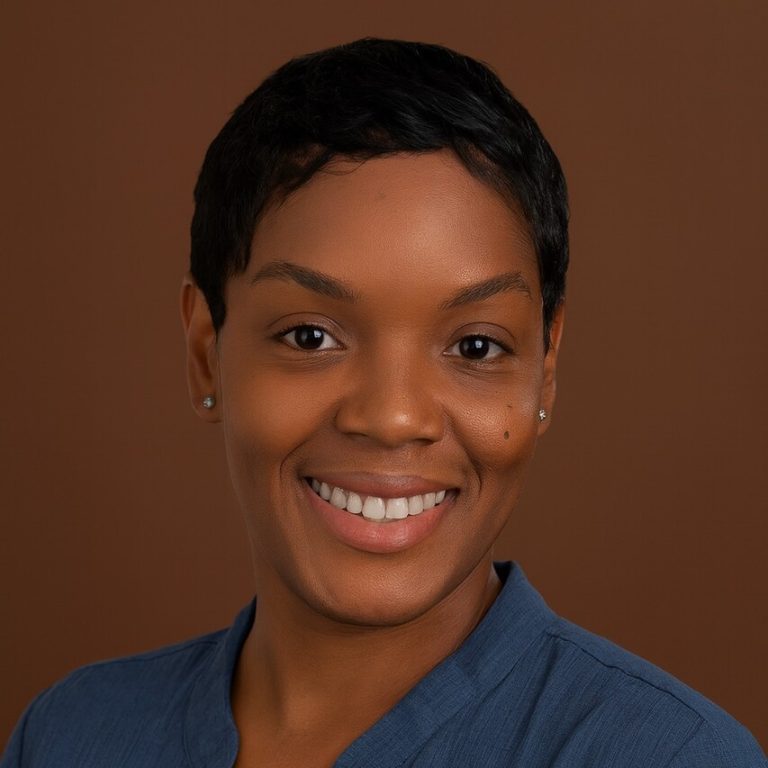
Ashley Aubas
Compassionate clinical social worker addressing anxiety, depression, family conflict, and relationship issues - including the strain loss places on families.

Natalie Harris
Helps individuals cope with life changes, depression, and anxiety using CBT, emotion-focused therapy, and strength-based approaches.
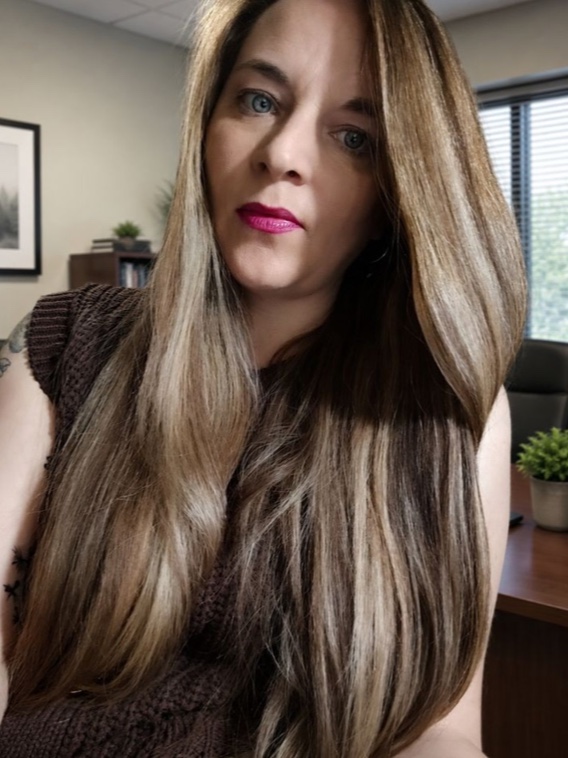
Angel Fuller
Strengths-based social worker offering veterans, caregivers, and adults a supportive, nonjudgmental space to work through grief, trauma, and life transitions.
Serving These Needs Across Fayetteville & Cumberland County
Frequently Asked Questions
How do I know if I need grief counseling or if I just need time?+
Time helps most grief soften - not disappear, but become carryable. Counseling makes sense when it isn't softening, when daily functioning has stopped, when guilt or trauma is dominating the grief, or simply when you'd rather not do this alone. You don't need to be in crisis to deserve support.
Does Tricare cover grief counseling in Fayetteville?+
Yes - we accept Tricare, and our team will verify your benefits before your first session and explain any copay or prior authorization requirements. Call us at (919) 300-6717 to confirm coverage for your specific plan.
Will grief counseling affect my security clearance?+
In most cases, no. Seeking mental health treatment through a private civilian practice like Fresh Breath Therapy is confidential and HIPAA-protected, and adjudicative guidelines generally view voluntary treatment-seeking as responsible self-care. If you have specific concerns, we'd recommend speaking with a security clearance attorney.
What makes military grief different from civilian grief?+
The dimensions around it. Loss inside a service community often arrives with survivor guilt, a duty to keep functioning, unit and command dynamics, and sometimes no space to grieve openly at all. The grief itself is human and universal - the context around it needs a therapist who understands it.
Do you work with grief following suicide loss?+
Yes. Suicide loss carries dimensions other grief doesn't - guilt, anger, unanswerable questions, and the isolation of stigma. Our clinicians will name those directly rather than tiptoe around them, and will pace the trauma side of it with you.
Can I get grief counseling while still on active duty?+
Yes. Active duty service members can receive care through a private civilian practice. Treatment at Fresh Breath Therapy is separate from the military medical system and your chain of command, and we understand the cultural barriers that keep many from seeking help.
You Don't Have to Carry This Alone
There's no right time to reach out and no timeline you're behind on. When you're ready, our Fayetteville team is here. Start with a free 15-minute consultation, no commitment required.