Therapy for Veterans in Cary, NC - Care That Respects What Service Cost
Trauma-informed, veteran-centered therapy in Cary for PTSD, combat stress, moral injury, MST, transition challenges, and the weight that doesn't come home in uniform. You set the pace. In-person and telehealth available.
Request an Appointment
Free 15-min consultation - no commitment needed.
Therapy That Understands What Service Costs
Some things don't come home in a duffel bag. Hypervigilance that never switched off, sleep that never came back, guilt over decisions nobody else will ever understand, and the strange emptiness of a life without the mission - none of that means something is wrong with you.
Therapy for veterans at Fresh Breath Therapy is trauma-informed and never rushed. You won't be asked to relive anything before you're ready, and you won't have to spend sessions explaining basics like deployment cycles or what a unit means to you. We approach service with respect - not assumptions.
You also don't need a PTSD diagnosis to come in. Plenty of veterans arrive knowing only that service left its mark in ways they've never dealt with. That's a good enough reason to start. We are a therapy practice, not a psychiatric one - we don't prescribe medication, but we work alongside prescribers and can provide referrals.
Book a Free Consultation →
What Veteran Therapy Addresses in Cary
You don't need a diagnosis or a crisis to be here. If service left something behind that you've been carrying alone, that's reason enough.
PTSD & Combat Trauma
Intrusive memories, nightmares, hypervigilance, and avoidance - we help your nervous system learn that the danger has passed.
Moral Injury & Guilt
The wound left by what you did, witnessed, or couldn't prevent. You can work through it without abandoning your sense of right and wrong.
Military Sexual Trauma (MST)
Survivor-centered, confidential support for healing after assault or harassment during service - at whatever pace feels safe for you.
Survivor's Guilt
The weight of coming home when others didn't. We work with the guilt directly, without minimizing what happened or offering easy reassurance.
Transition & Loss of Purpose
Leaving the service takes the structure, mission, and brotherhood with it. Rebuilding identity and purpose is real clinical work.
Anger & Hypervigilance
The reactivity and constant threat-scanning that kept you alive downrange - and now costs you at home, at work, and in traffic.
Emotional Numbness & Isolation
The armour that keeps you functional and unreachable at the same time - and how to take it off without feeling exposed.
Relationship & Family Strain
Distance from a partner, short fuses with the kids, and the difficulty of being present with people who weren't there.
Substance Use as Coping
Drinking or using to sleep, numb out, or get through the day - addressed alongside the trauma driving it, not treated as a separate failing.
Evidence-Based Approaches, Paced by You
There's no single right way to work through what service left behind. Your therapist draws on several proven approaches and adapts to what feels safe and effective for you.
Cognitive Processing Therapy
A structured, well-researched PTSD treatment that targets the stuck points service leaves behind - beliefs about blame, safety, and trust. Available through our practice.
EMDR Available In-Practice
Eye Movement Desensitization & Reprocessing lets you reprocess traumatic memories without narrating them in detail - available through our practice, including via telehealth.
Cognitive Behavioral Therapy
Identify and test the beliefs trauma installed - "I should have done more," "I can't let my guard down" - with one of the most researched therapies in the world.
Trauma-Informed Care Throughout
Safety, choice, and pacing in every session. You will never be pushed to relive anything before you're ready, and you control how deep we go.
Mindfulness & Somatic Work
Hypervigilance and threat response live in the body. Grounding and nervous-system tools help a system calibrated for danger learn that it's safe now.
Acceptance & Commitment Therapy
Rebuild a life with purpose in it - reconnecting with values and identity after the mission, the unit, and the structure are gone.
Your First Session: What to Expect
Why Veterans Choose Fresh Breath Therapy
Trauma-Informed Practice
Safety, choice, and collaboration are built into every session. We never push faster than you're ready to go.
EMDR Available In-Practice
Practice owner Kaylee Meyers, LCSW is EMDR-trained - so reprocessing work is available without needing to narrate your trauma in detail.
Fully Confidential
Nothing is shared with the military, the VA, or your employer without your written consent. This is a private practice, not a chain-of-command process.
Our Largest Team
Eight licensed clinicians in Cary means a genuine fit - including therapists working with trauma, stress, and family strain.
Insurance & Self-Pay
We accept most major commercial plans. For VA Community Care or Tricare, call us and our team will verify your coverage first.
Telehealth Statewide
Prefer extra privacy, or don't live near Cary? Connect from anywhere in North Carolina via secure video.
Serving Cary, Apex, Morrisville & Holly Springs
Our Cary therapy office is located at 125 Edinburgh South Dr, Suite 210 - easily accessible from Apex, Morrisville, Holly Springs, RTP, and surrounding communities. Telehealth available statewide.
In Cary you'll work with clinicians including practice owner Kaylee Meyers, LCSW, who is EMDR-trained; Ashley West, LCSWA, whose work spans trauma and attachment using CBT, DBT, and mindfulness; and Linda McAteer, LMHCA, NCC, focused on stress and overwhelm.
Each therapist is licensed, supervised, and committed to the highest standards of ethical, compassionate care. Sessions are available Monday through Friday, 8 AM to 7 PM.
Book Your Appointment →Meet the Cary Team
Meet clinicians at our Cary office whose work includes trauma, stress, and the family strain that service often leaves behind.
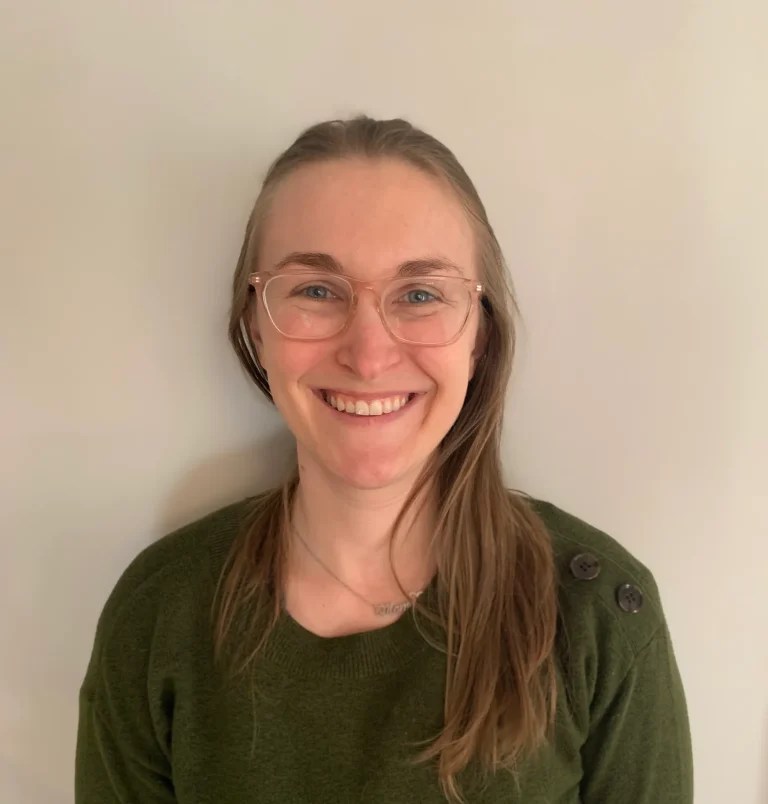
Kaylee Meyers
Practice owner and EMDR-trained clinician, bringing CBT, EMDR, and family therapy expertise to help clients build lasting resilience.

Ashley West
Warm, person-centered therapist supporting adults through trauma, attachment concerns, anxiety, and depression using CBT, DBT, and mindfulness.
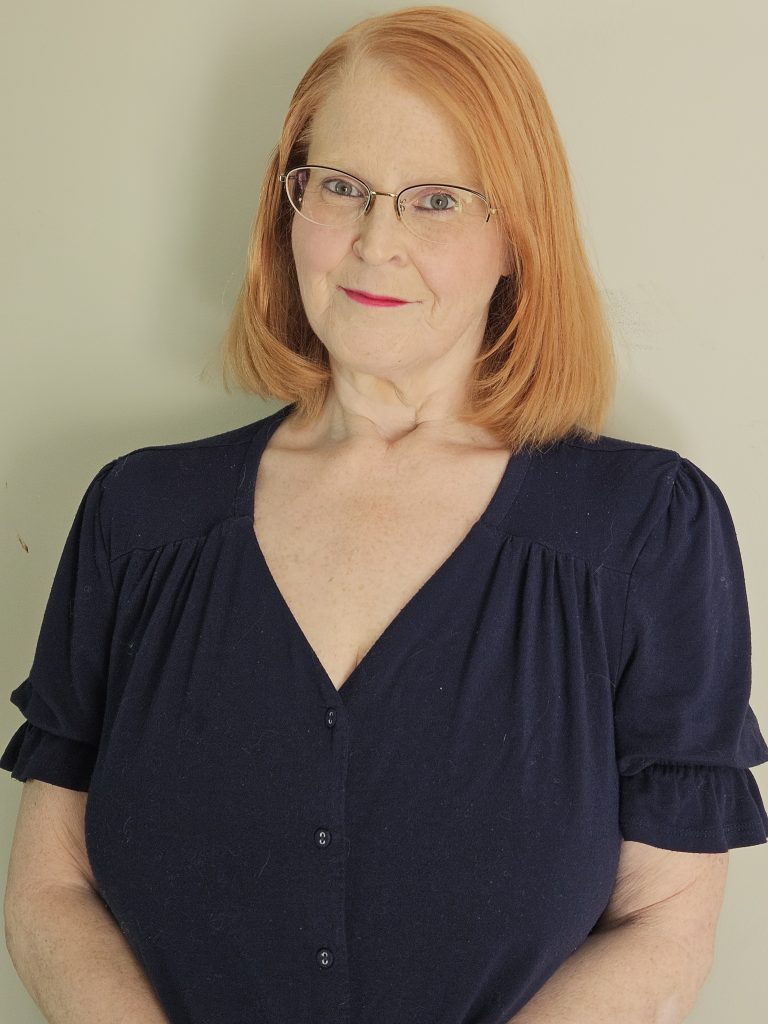
Linda McAteer
Creates safe, supportive environments where clients feel truly heard - with particular expertise in stress management and everyday overwhelm.
Serving These Needs Across Cary & the Triangle
Frequently Asked Questions
Do I need a PTSD diagnosis to start?+
No. Many veterans come to us without a formal diagnosis - some suspect they'd meet criteria, others just know service left its mark in ways they haven't dealt with. Your therapist will assess things properly at intake, and you're welcome either way.
Do your therapists understand military culture?+
Our clinicians are trained in trauma-informed care and work with veterans and military families, and we have an office serving the Fort Liberty community. You shouldn't have to spend paid sessions explaining the basics - and we'd rather ask a direct question than make an assumption.
Is therapy here confidential?+
Yes - fully confidential, with the same narrow legal exceptions as all therapy (imminent safety risk, mandatory reporting). We don't share information with the military, the VA, or your employer without your written consent, and your therapist will go through this in detail in your first session.
Do you accept VA or Tricare coverage?+
We accept most major commercial insurance plans. For VA Community Care or Tricare, call us at (919) 300-6717 - our team will verify your specific benefits and coverage before your first session so there are no surprises.
Can my family get support too?+
Yes. We provide individual therapy for spouses and family members, plus couples and family sessions where that would help. Service affects whole households, and we work with all of it.
Can I do sessions online instead?+
Yes - secure HIPAA-compliant telehealth is available anywhere in North Carolina. It's often a good fit for veterans who want extra privacy, have limited transportation, or live well outside our office cities.
You Carried It Long Enough
What you've been through deserves real clinical care, not just time. Our Cary team is ready when you are. Start with a free 15-minute consultation, no commitment required.