EMDR Therapy in Greensboro, NC - Heal What Still Hurts
EMDR (Eye Movement Desensitization and Reprocessing) helps your brain reprocess painful memories so they stop controlling your present. Fresh Breath Therapy offers EMDR and trauma-focused care to Greensboro, High Point, Jamestown, and Summerfield - in person and via telehealth statewide.
Request an Appointment
Free 15-min consultation - no commitment needed.
Healing That Doesn't Require Retelling Every Detail
Some memories don't fade - they replay. A car accident, a loss, childhood experiences, or a single terrifying moment can stay "stuck" in the nervous system, triggering anxiety, flashbacks, and reactions that feel out of your control. EMDR helps your brain finish processing those memories so they become part of your past instead of your present.
Unlike traditional talk therapy, EMDR doesn't require you to narrate your trauma in detail. Using bilateral stimulation - guided eye movements, taps, or tones - your therapist helps your brain reprocess painful experiences so they lose their emotional charge. EMDR is recommended for PTSD by the American Psychological Association, the World Health Organization, and the Department of Veterans Affairs.
At Fresh Breath Therapy, EMDR is offered through our practice alongside trauma-focused approaches like TF-CBT and CPT available at our Greensboro office. Whether you meet with us in person on Greenvalley Rd or connect with an EMDR-trained clinician via secure telehealth, we'll match you with the right care for your story.
Begin Your Healing Journey →
Common Reasons Greensboro Residents Seek EMDR Therapy
EMDR was developed for PTSD, but research increasingly supports its use for a much wider range of struggles rooted in painful experiences.
PTSD & Single-Incident Trauma
Post-traumatic stress from assault, violence, disasters, or one overwhelming event - EMDR is one of the most researched treatments for PTSD in the world.
Childhood Trauma
Abuse, neglect, and adverse childhood experiences that still shape how you feel about yourself and relate to others as an adult.
Anxiety & Panic
Generalized anxiety, panic attacks, and social anxiety - especially when worry traces back to earlier experiences your nervous system hasn't resolved.
Phobias
Specific fears - driving, flying, medical procedures, and more - that often begin with a frightening experience EMDR can help reprocess.
Grief & Loss
Complicated grief and bereavement, including losses that feel impossible to move through, divorce, and painful relationship endings.
Disturbing Memories & Flashbacks
Intrusive images, nightmares, and flashbacks that pull you back into the worst moments of your life without warning.
Accident & Medical Trauma
Car accidents, injuries, frightening diagnoses, and difficult medical or birth experiences that left a lasting mark on your sense of safety.
Performance Anxiety & Blocks
Fear of public speaking, test anxiety, and performance blocks in work, sports, or creative life that logic alone hasn't been able to fix.
Negative Self-Beliefs
Deep-rooted beliefs like "I'm not safe," "It was my fault," or "I'm not enough" - EMDR helps replace them with beliefs grounded in your real worth.
What EMDR Treatment Actually Looks Like
EMDR follows a structured, well-researched protocol - and it never rushes you. Here's how the journey typically unfolds with our clinicians.
A Structured, Proven Protocol
EMDR follows a standardized eight-phase protocol - from history-taking through reevaluation - so you always know where you are in the process and what comes next.
History & Preparation First
Your therapist learns your story, identifies the memories to target, and explains exactly how EMDR works. Nothing begins until you understand and feel ready.
Resourcing & Grounding Skills
Before any reprocessing, you build calming and grounding skills - a "safe place," breathing tools, and containment strategies you can use in and out of session.
Reprocessing Sessions
You hold a target memory briefly in mind while bilateral stimulation - eye movements, taps, or tones - helps your brain reduce its emotional charge, at your pace.
Integration & Future Focus
Positive beliefs are strengthened, progress is reviewed each session, and you rehearse responding to future situations from a calmer, more grounded place.
EMDR Combined with Talk Therapy
EMDR often works best alongside supportive talk therapy. Trauma-focused alternatives like TF-CBT and CPT are also available with our Greensboro clinicians when they're a better fit.
Your First EMDR Session: What to Expect
Why Greensboro Trusts Us With Trauma Care
Trauma-Informed Practice
Our Greensboro team includes a clinician with 10+ years of trauma experience trained in TF-CBT and CPT - evidence-based trauma treatments that stand alongside EMDR.
EMDR Available In-Practice
EMDR is offered through Fresh Breath Therapy - we connect you with an EMDR-trained clinician in person or via secure telehealth, based on availability and fit.
Licensed Clinicians Only
Every therapist on our team is licensed and supervised under North Carolina standards - LMFT, LCMHCA, and LCSWA credentials at our Greensboro office.
Insurance & Self-Pay
We accept major insurance plans including BCBS, Aetna, Cigna, and United Health. Call us to verify your specific benefits before your first appointment.
No Long Waitlists
Trauma care can't wait. We work hard to offer rapid access - often same-week or within a few days of your first inquiry.
Telehealth Statewide
Not near our Greenvalley Rd office? Connect from anywhere in North Carolina via our secure, HIPAA-compliant telehealth platform.
Serving Greensboro, High Point, Jamestown & Summerfield
Our Greensboro therapy office is located at 600 Greenvalley Rd, Suite 206 - easily accessible from downtown Greensboro, High Point, Jamestown, Summerfield, and surrounding communities. Telehealth available statewide.
Our Greensboro team - Monica Joyce, LCMHCA; Tracey Hagan, LCSWA; Holly Gammon, LMFT; Olivia Beaupre, LCMHCA; and Genella Montalbano, LCSWA - offers care spanning trauma treatment, anxiety, depression, bipolar disorder, eating disorders, and couples work, with trauma-focused therapies like TF-CBT and CPT on staff and EMDR available through the practice.
Each therapist is licensed, supervised, and committed to the highest standards of ethical, compassionate care. Sessions are available Monday through Friday, 8 AM to 7 PM.
Book Your Appointment →Meet the Greensboro Team
Our licensed Greensboro clinicians bring clinical expertise, warmth, and genuine investment in your healing journey.
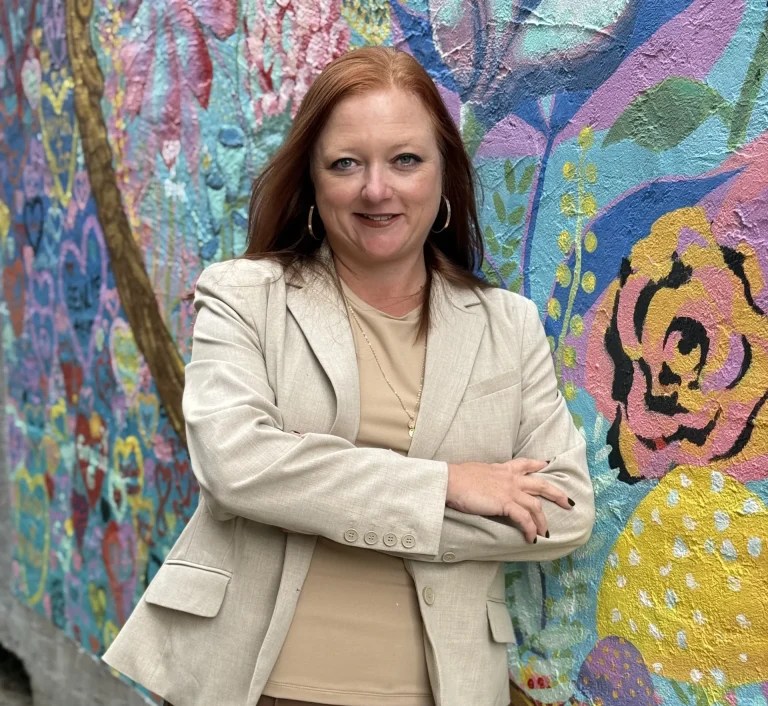
Monica Joyce
Passionate about bipolar disorder treatment and couples therapy using Gottman Method principles, with DBT skills for emotional regulation and distress tolerance.
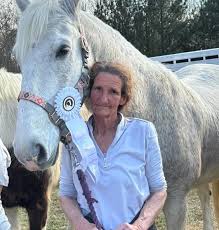
Tracey Hagan
Warm, collaborative approach supporting children, adolescents, and adults with anxiety, depression, and eating disorders using CBT and DBT.
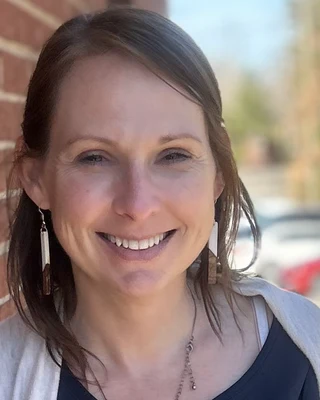
Holly Gammon
10+ years of experience in trauma work, trained in TF-CBT, CPT, Play Therapy, and ACT - evidence-based care for trauma across the lifespan.
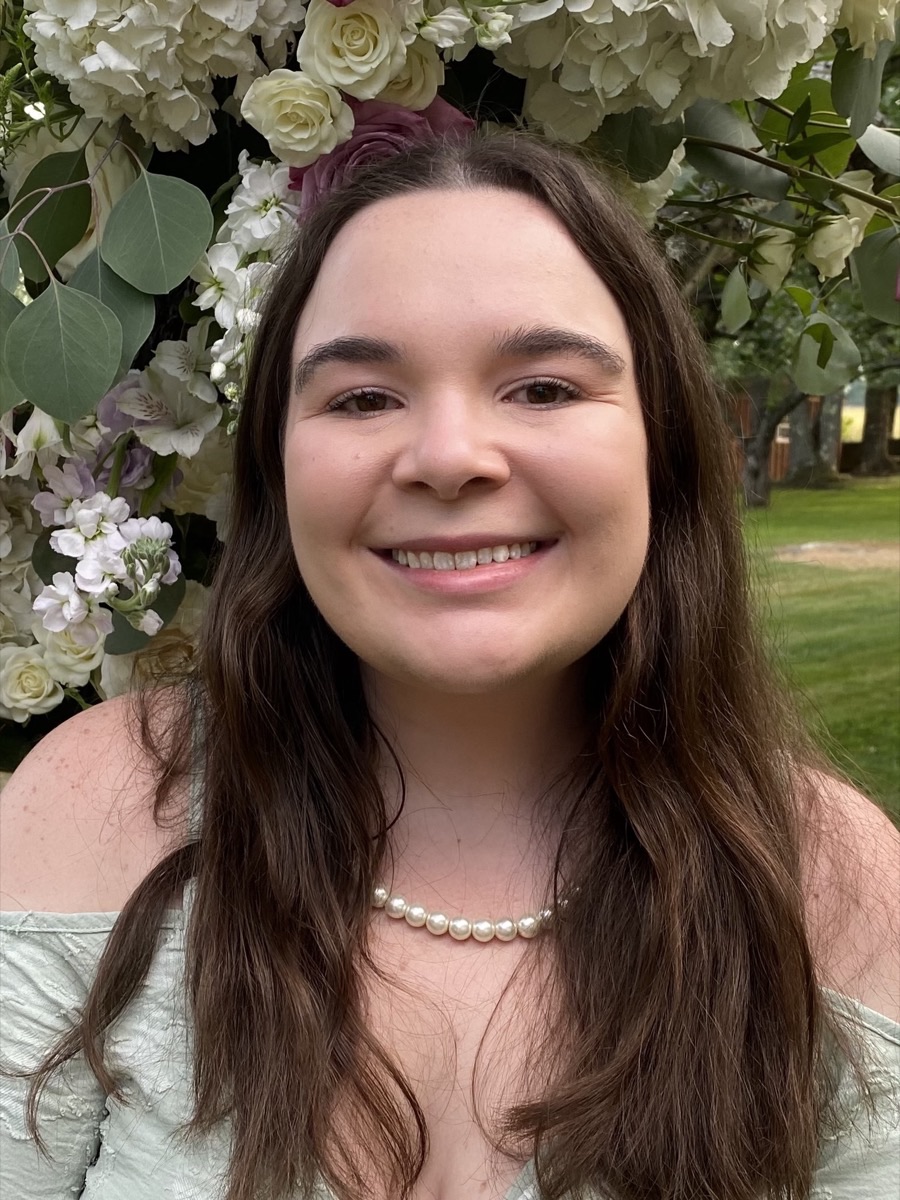
Olivia Beaupre
Counselor and school counselor working from a trauma-informed lens with students and young adults, using CBT, DBT skills, and Solution Focused Brief Therapy.

Genella Montalbano
Clinical social work associate with 10+ years centered on youth and families, drawing on CBT, DBT, and Solution-Focused Therapy to build emotional regulation and coping skills.
Serving These Needs Across Greensboro & Nearby Communities
Frequently Asked Questions
What is EMDR and how does it work?+
EMDR (Eye Movement Desensitization and Reprocessing) is a structured therapy that helps the brain reprocess traumatic memories. While you briefly hold a painful memory in mind, your therapist guides you through bilateral stimulation - eye movements, taps, or tones - which helps the memory lose its emotional charge and get stored as a past event rather than an ongoing threat.
Do I have to talk about my trauma in detail?+
No - this is one of the most important differences between EMDR and traditional talk therapy. You don't need to narrate your trauma in detail or relive it at length. Your therapist only needs enough information to plan treatment safely, and many clients find EMDR far more tolerable than they expected.
How many EMDR sessions will I need?+
It varies from person to person. Single-incident trauma often resolves in fewer sessions, while complex or childhood trauma typically requires a longer course of treatment. Your therapist will discuss realistic timelines after your initial assessment - we won't promise a fixed number, because honest care means pacing treatment to you.
Is EMDR evidence-based?+
Yes. EMDR is recommended for PTSD by the American Psychological Association (APA), the World Health Organization (WHO), and the Department of Veterans Affairs, and is supported by decades of controlled research. Growing evidence also supports its use for anxiety, phobias, grief, and negative self-beliefs.
Does insurance cover EMDR therapy in Greensboro?+
We accept most major insurance plans including Blue Cross Blue Shield, Aetna, Cigna, and United Health, and self-pay rates are available. Coverage for EMDR varies by plan, so call us at (919) 300-6717 and we'll help verify your specific mental health benefits before your first appointment.
Can I do EMDR online via telehealth?+
Yes. EMDR can be delivered effectively through secure video using visual or self-administered bilateral stimulation, and our telehealth sessions are available to anyone in North Carolina on a HIPAA-compliant platform. All you need is a private space, a computer or smartphone, and a reliable internet connection.
What Happened to You Doesn't Have to Define You
People across Greensboro, High Point, Jamestown, and Summerfield have found real relief from trauma - and you can too. Start with a free 15-minute consultation, no commitment required.