
Therapy for People of Color in Fayetteville, NC - Care That Sees Your Whole Experience
Culturally responsive therapy for BIPOC clients across Cumberland County - including service members, veterans, and military families. Racial trauma, identity, family expectations, and workplace bias. Tricare accepted.
Request an Appointment
Free 15-min consultation - no commitment needed.
Therapy That Doesn't Ask You to Leave Half of It Outside
A lot of therapy asks People of Color to do extra work: explaining the family dynamic, justifying why a comment actually mattered, or quietly deciding to skip the racial part entirely because it's easier than being doubted. In a hierarchy where you already choose your battles carefully, that adds up.
Therapy at Fresh Breath Therapy is culturally responsive: your race, culture, family expectations, and faith are treated as part of your whole experience rather than background noise. You shouldn't have to spend paid sessions explaining why something landed the way it did.
Our practice is private and fully confidential - separate from the military medical system and the chain of command. Tricare and major insurance accepted.
Book a Free Consultation →
What We Support BIPOC Clients With in Fayetteville
Sometimes the work is about race and identity directly. Sometimes it's anxiety or grief, and you simply want a therapist who won't make identity the awkward part.
Racial Trauma & Race-Based Stress
The cumulative weight of discrimination, bias, and vigilance - which shows up in the body and mood, not just in memory.
Microaggressions
Everyday slights that are hard to name and exhausting to carry, plus the second-guessing that follows every one of them.
Identity & Belonging
Bicultural identity, assimilation pressure, and never feeling fully at home in either space.
Intergenerational Patterns
How family history, migration, and inherited survival strategies shape what you feel allowed to want or say.
Family & Cultural Expectations
Duty, respect, and honour weighed against your own needs and boundaries - without treating your family as the enemy.
Code-Switching & Workplace Bias
The mental load of being "the only one," imposter feelings that aren't irrational, and deciding how much of yourself to bring to work.
Anxiety & Depression
Treated in the context of systemic stress, not in spite of it - because the environment is part of the clinical picture.
Self-Worth & Healing
Reconnecting with your identity, your culture, and your worth outside of what systems have told you about you.
Identity in Military Life
Race within rank structure, choosing which battles to raise, PCS moves that change your community entirely, and being one of few at your level.
Evidence-Based, Culturally Grounded Approaches
Culturally responsive care isn't a separate set of techniques - it's proven approaches applied by someone who treats your context as part of the clinical picture.
Culturally Responsive Care
Race, culture, and family context aren't set aside to get to the "real" issue - they're part of understanding your whole experience, and they shape the work.
Cognitive Behavioral Therapy
Work on the thought patterns feeding anxiety and self-doubt - while distinguishing what's a distortion from what's an accurate read on a biased environment.
Narrative Therapy
Separate your story from the one systems and stereotypes wrote for you, and reclaim authorship of how you understand yourself.
Trauma-Informed Care
Safety, choice, and pacing in every session - including for race-based stress and trauma that accumulates rather than arriving as one event.
Acceptance & Commitment Therapy
Spend your limited energy on what actually matters to you rather than on managing everyone else's comfort or expectations.
Strengths-Based Practice
We start from your resilience, your community, and the cultural wisdom you already carry - not from a deficit model.
Your First Session: What to Expect
Why BIPOC Clients Choose Fresh Breath Therapy
Confidential, Civilian Setting
Our private practice is fully confidential, separate from the military medical system and your chain of command, and HIPAA-protected.
Cultural Humility, Not Assumptions
Your therapist asks rather than guesses, and treats your read on a situation as data - not as something to correct.
Race Isn't Set Aside
We don't treat identity as a detour from the "real" work. It's part of understanding what's happening to you.
Family & Relationship Work
Ashley Aubas, LCSWA works with family conflict and relationships - useful when cultural expectations at home are part of the load.
Tricare & Insurance Accepted
We accept Tricare along with major plans including BCBS, Aetna, Cigna, and United Health. Call us to verify your specific benefits first.
Telehealth Statewide
Privacy matters, especially in a tight-knit community or on post. Connect from anywhere in North Carolina via secure video.
Serving Fayetteville, Fort Liberty, Hope Mills & Spring Lake
Our Fayetteville therapy office is located at 1766 Metro Medical Dr - easily accessible from across Fayetteville and nearby communities including Fort Liberty, Hope Mills, Spring Lake, and Raeford. Telehealth available statewide.
In Fayetteville you'll work with Jordan Schultz, LCMHA, who helps clients navigate anxiety, depression, trauma, and life transitions; Ashley Aubas, LCSWA, whose work includes family conflict and relationship issues; Natalie Harris, LCSWA, who works with life changes and anxiety using CBT, emotion-focused therapy, and strength-based approaches; or Angel Fuller, LCSWA, a social worker providing a supportive, nonjudgmental environment built on resilience and empowerment.
Each therapist is licensed, supervised, and committed to ethical, compassionate care. Sessions are available Monday through Friday, 8 AM to 7 PM.
Book Your Appointment →Meet the Fayetteville Team
Meet the licensed clinicians at our Fayetteville office. Tell us your preferences at your consultation - including on background and approach - and we'll be honest about the best available fit.

Jordan Schultz
Dedicated mental health professional helping clients navigate anxiety, depression, trauma, and life transitions with steady, practical support.
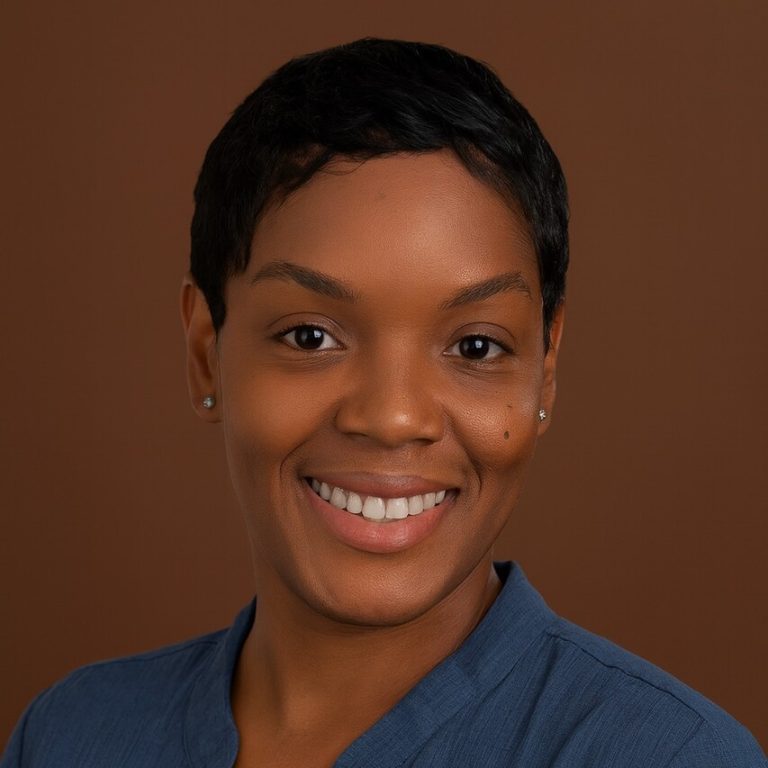
Ashley Aubas
Compassionate clinical social worker addressing anxiety, depression, family conflict, and relationship issues.

Natalie Harris
Helps individuals cope with life changes, depression, and anxiety using CBT, emotion-focused therapy, and strength-based approaches.
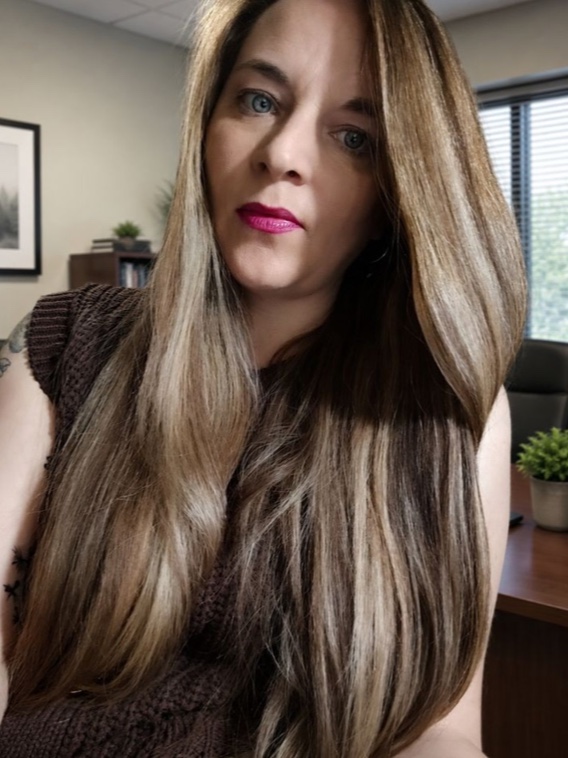
Angel Fuller
Social worker providing a supportive, nonjudgmental environment built on resilience, recovery, and empowerment for late adolescents, adults, and older adults.
Serving These Needs Across Fayetteville & Cumberland County
Frequently Asked Questions
Do I need a therapist of my own race or background?+
Not necessarily - though for some clients it matters a lot, and that's completely valid. What matters most is a therapist with genuine cultural humility who doesn't make you the teacher. Tell us your preference at your consultation and we'll be honest about who's available rather than talk you out of it.
Will I have to explain racism to my therapist?+
No. Race-based stress is treated as real and clinically relevant here, not as a perception to be corrected. Your therapist may ask about your specific experience - because your context is yours - but you shouldn't be doing unpaid education on your own therapy time. If something we say misses, name it; we'd rather adjust.
Is this confidential if I'm serving?+
Yes. This is a private civilian practice - fully confidential, HIPAA-protected, and separate from the military medical system and your chain of command. Nothing goes anywhere without your written consent.
Does Tricare cover therapy here?+
Yes - we accept Tricare, and our team will verify your benefits before your first session and explain any copay or prior authorization requirements. Call us at (919) 300-6717 to confirm coverage for your specific plan.
Is this only for certain communities?+
We welcome all People of Color - Black, Indigenous, Latino/a/x, Asian, South Asian, Middle Eastern, multiracial, and anyone else who identifies as POC. And plenty of clients come for anxiety or grief and simply want a therapist who won't make identity the awkward part.
What if therapy itself is frowned on in my family?+
That's common, and it's worth talking about rather than ignoring. Plenty of clients come without telling family, and we handle appointment reminders and scheduling accordingly. Your therapist can also help you think through what, if anything, you want to share and when.
You Deserve a Therapist Who Gets It
You already do enough explaining. Therapy should be the one place you don't have to. Start with a free 15-minute consultation, no commitment required.